Cabinetry Trends We’re Seeing Right Now: Warmth, Wood and a More Personal Kitchen
Kitchen design is moving in a warmer, more personalized direction, and Foremost Builders’ new design consultant, Paulina, is seeing those changes firsthand.
Paulina brings extensive cabinetry experience from Crowne Point Cabinetry, along with a degree in architecture and a background working with architecture firms. That combination gives her a close eye for both the details of cabinetry and the bigger picture of how a space needs to function.
She enjoys helping homeowners figure out what will make their home work better for them, from the overall layout down to the details inside a cabinet. And because she works alongside Foremost’s remodeling team, she can help connect those design decisions to the construction that brings them to life.
For kitchens specifically, here are some of the trends Paulina is seeing right now.
Warmth is replacing the all-white kitchen
The bright, cool white kitchen has had a long run. Now, Paulina is seeing homeowners move toward something warmer. Warm whites, creamy tones, beiges and mushroom shades are showing up more often, creating kitchens that feel softer and more comfortable than the stark white spaces that dominated kitchen design for years.
The shift is about more than color. Homeowners are looking for kitchens that feel like part of the home rather than a separate, highly finished space.
“The kitchen is becoming the center of the home again,” Paulina says. That means spaces designed for gathering, cooking, talking and spending time together. There is a sense of warmth and connection that she compares to the feeling of an Italian home, where the kitchen naturally becomes a central part of everyday life.
Wood is coming back in a big way
Wood cabinetry never really disappeared, but the type of wood homeowners are requesting is changing. Oak is still popular, but Paulina is seeing more interest in deeper woods, particularly walnut. The richer tones add warmth and contrast without relying on a lot of color.
For homeowners who want a kitchen that feels natural and inviting, wood can also work beautifully alongside warm painted cabinetry, stone countertops and other natural materials. The overall look is less about matching everything perfectly and more about bringing together materials that feel good next to each other.
Natural stone is part of the warmer look
That same desire for natural materials is carrying through to countertops.
Paulina is seeing homeowners gravitate toward stone, quartzite and marble. These materials bring natural variation and texture into the kitchen, helping create a more organic feel.
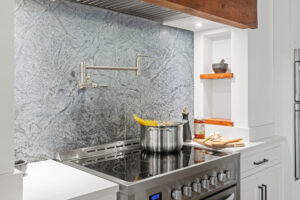
Rather than having every surface look perfectly uniform, homeowners are becoming more comfortable with the character that comes with natural materials. That can make a kitchen feel less sterile and more connected to the rest of the home.
Gray is taking a back seat
After years of cool grays showing up everywhere from cabinetry to walls to flooring, Paulina is seeing homeowners move away from the gray-on-gray look. Instead, warmer neutrals are taking its place. Think mushroom, beige, cream and warm white.
That doesn’t mean every kitchen needs to be beige. It means the overall palette is becoming warmer and more layered.
Some colors have staying power
Color trends are becoming deeper and moodier. Green has been popular in kitchens for several years and continues to be used, although tones are shifting from basic and safe sage choice to rich, sophisticated olives and deep forest greens. It plays well with the theme of warm earthy neutrals everyone is striving to achieve in their space.
Navy, on the other hand, continues to have staying power. Although there was a shift to softer pastel shades of blue, deeper blues have taken the lead in 2026. There is a reason navy works so well in a kitchen. It can add color without feeling overly trendy, and it pairs naturally with white, warm wood, brass and stone. For homeowners who want color but also want their kitchen to feel timeless, that versatility matters.
Workstations are making kitchens work harder
Paulina is also seeing a continued emphasis on dedicated workstations within the kitchen. Coffee bars, baking areas and other prep zones give multiple people a place to work without everyone crowding the same counter or cooktop. They can also improve the overall flow of the kitchen by giving frequently used tasks their own home.
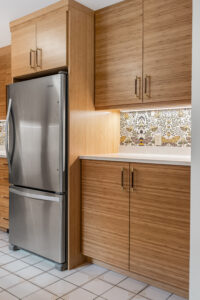
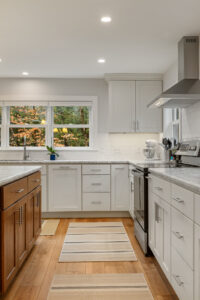
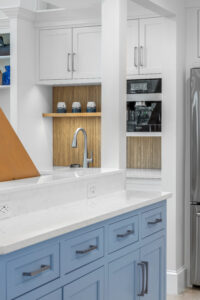
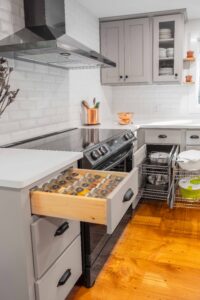
That same thinking extends to storage. Homeowners are looking for ways to keep everyday items accessible without leaving them out in the open, such as paper towel holders tucked into cabinetry, dedicated pot and pan or container organizers, and built-in utensil pullouts positioned away from the cooktop. Retractable doors and cubbies can also help hide appliances or create quick-access storage while keeping the kitchen looking clean and uncluttered. For Paulina, these details are less about following a trend and more about figuring out how a kitchen actually needs to work for the people using it.
The bigger trend: making the kitchen feel like you
For Paulina, the most interesting shift isn’t really about a particular cabinet color or countertop material. It is about homeowners thinking more carefully about how they want their homes to feel and function. 
That is one of the things she loves most about design: “I like to help people figure out what will make their house feel like home to them.”
The right kitchen might mean warm white cabinets and walnut. It might mean a deep navy island, natural stone and plenty of space for family and friends to gather. It might look completely different from the kitchen next door.
Trends can provide inspiration, but the best design decisions still come back to the people who live there.
And that’s where having a design-build team can make a difference. Instead of figuring out each piece of a remodel on your own over the course of years, Foremost helps homeowners look at the bigger picture, plan the details and bring the changes together.

First and Foremost
Learn More Today